
|

|
Freight from the USA
|
|
|
|||
.png)
|
U.S. Sea freight Price Calculator
Shipping Boxes, Crates and Pallets (LCL)
|

|
Use the online LCL freight calculator above to estimate international shipping costs for boxes and crates from the USA to your destination country.
These standards are designed to prevent the global spread of timber-borne diseases and pests.
If you plan to export goods from the USA, avoid using untreated raw wood. Instead, choose compliant materials that follow ISPM 15 guidelines, such as IPPC-certified wood, plywood, or plastic.
When you prepare boxes, crates, or pallets, ensure the shipping platforms are certified, and the enclosures are made from plywood or heat-treated lumber that meets international shipping standards.
Failing to follow these customs rules can result in costly pest-control treatment for your entire shipment. Remember that these mandates apply to outer packing materials, not to the actual commodities themselves.
It's essential to distinguish between standard wood-packing rules for international shipping and the seasonal requirements for sending goods to Oceania, particularly the regulations for the Brown Marmorated Stink Bug (BMSB) when transporting freight from the USA to Australia and New Zealand.
All vessel cargo to Oceania must be thoroughly decontaminated. Although you might consider avoiding BMSB treatment fees by checking the lists of high-risk goods on the Australian DAWR and New Zealand MPI websites, we strongly recommend pre-shipment fumigating through your logistics provider.
Such a treatment typically costs around $30 per cubic meter, with a minimum charge of $100 to $300 per application. You can avoid port complications and customs penalties by prepaying for your freight. Failing to comply with BMSB regulations can result in mandatory fumigation and costly penalties upon arrival.
Export wood packing restrictions in international logistics are also known as ISPM 15 rules. These protocols apply to cargo containing wooden dunnage shipped from the USA.
ISPM 15 is a regulation designed to prevent the global spread of plant pests and diseases by controlling wooden packaging materials in international shipping. Established by the International Plant Protection Convention and the United Nations (IPPC), these rules apply to wooden boxes, pallets, crates, and other timber-based packaging. There may also be additional biosecurity restrictions on shipments from the USA, particularly to countries such as Australia and New Zealand, which have strict regulations. For example, refer to the Australian Government Department of Agriculture and Water Resources website.
When shipping items from the USA that use solid wood packaging, you must comply with ISPM 15 regulations. This requires gas fumigating or heat-treating the wood to eliminate insects and fungi.
All wood packaging must have an approved IPPC stamp. Your shipment will be inspected in the U.S. and upon arrival in countries that follow IPPC guidelines to ensure compliance with export standards.
Official stamps are required on wooden pallets and for boxes or crates containing timber packing materials when shipping from the USA, unless a fumigation certificate is provided. Officials may still request treatment certificates, even when freight is stamped.
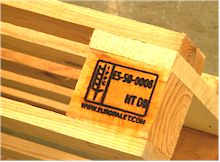
A stamp on the packaging indicating that it has been heat-treated and meets ISPM 15 standards is mandatory. If you don't comply, you may encounter significant shipping issues when sending goods from the USA to other countries. Wooden boxes, crates, or pallets without official markings may be rejected for international transport and returned for re-treatment or repacking.
Since 2010, the U.S. has required ISPM 15 standards for all outbound freight shipments. Cargo that does not meet these standards must be fumigated immediately; otherwise, it will be denied entry and either re-exported or destroyed.
As a member of the International Plant Protection Convention (IPPC), the U.S. requires all wood packaging to be treated. Consolidators must verify ISPM 15 compliance before authorizing transport. Shippers are responsible for any issues, delays, or penalties from non-compliance, while consignees are responsible for problems at the destination or during transshipment.
When shipping goods from the United States to other countries, it's essential to understand biosecurity regulations to prevent issues. These rules focus on container packing rather than the items themselves. ISPM 15 prohibits the use of non-manufactured wood packing materials, such as pallets and crates made entirely from raw timber.
Instead, use certified pallets and pack your goods in cardboard boxes or other processed wood materials. Use plastic shipping supplies and avoid natural wood in your packing to ensure compliance with ISPM 15. Using compliant materials and letting the freight station handle documentation can help reduce delays and improve cost-effectiveness in international shipping.
When packing your goods for international shipping from the USA, be aware of the following:
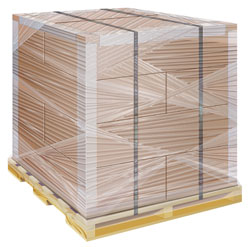
When shipping goods internationally from the USA, use ISPM 15-certified wooden pallets and crates. Do not use uncertified non-processed wood packing materials.
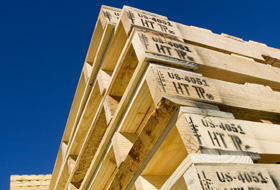
Wood packaging made entirely from wood-based products, such as plywood or particleboard, undergoes sufficient processing to eliminate the risk of pest infestations during international shipping. As a result, these products should not be subject to ISPM 15 regulations during international shipping.
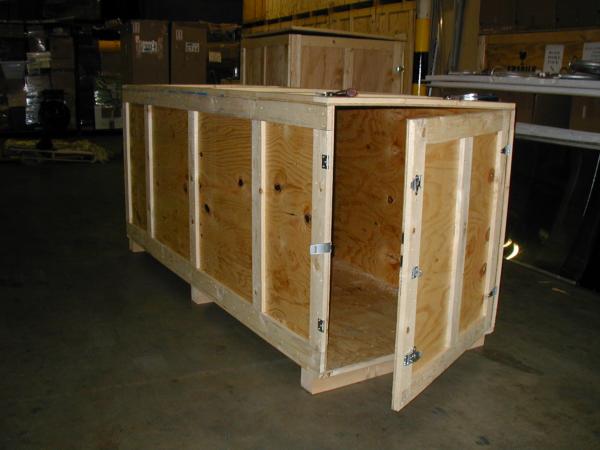
Shipping goods from the USA using plastic packing materials without wood is exempt from ISPM 15 regulations. You don't need to worry about compliance if your goods are on plastic pallets, cases, or crates. Various alternative options for international transport are widely available.


The ISPM 15 regulations in shipping goods from the USA overseas fall into two key areas:
When shipping cargo internationally, paying attention to ISPM 15 documents and proper packing is vital. You need to give these documents to the ocean freight carrier before they release your cargo from the U.S.
Different countries have different ISPM 15 rules. For example, shipments from the USA to Australia or New Zealand face rigorous inspections. If your cargo goes through Hong Kong or Singapore, it will likely need regulatory verification. The required documents can vary by country.
Ocean freight carriers have specific fumigation rules for shipments from the USA to Oceania related to the Brown Marmorated Stink Bug (BMSB).
For details about these seasonal biosecurity regulations, check the websites of Australia's Department of Agriculture and Water Resources (DAWR) and New Zealand's Ministry for Primary Industries (MPI). To understand the shipment rules, shippers should consult with their consignees and customs brokers. If shipments do not comply, remedial treatment costs in Australia and New Zealand will be charged to the cargo account, and these costs can be high.
All shipments marked as high-risk target goods by DAWR and MPI must be treated before loading. If one shipment in a container is considered high risk, the whole container will also be labeled as high risk.
Ocean freight carriers require shippers to review regulations and provide a signed BMSB risk assessment declaration before loading. Fumigation services for LCL (less-than-container-load) shipments are usually available at loading ports.
For full container (FCL) shipping from the USA, shippers must request treatment charges in advance.
|
|



